


When we audit a new client’s content program at Relevance, one of the first things we look at is engagement — not just traffic. We have seen sites pulling 50,000 visits a month with almost zero conversions because nobody is actually engaging with the content. They land, skim, and leave.
If that sounds familiar, you are not alone. After working with 1,000+ brands across SaaS, healthcare, ecommerce, and professional services, we can tell you that fixing content engagement is often the fastest path to better conversion rates — faster than writing new content, faster than building more backlinks.
What is Content Engagement?
Content engagement is any measurable action a visitor takes after landing on your page — clicking deeper into the site, signing up for a newsletter, filling out a contact form, watching a video, or even scrolling to the end of a long article.
At Relevance, we track engagement because unengaged traffic is functionally useless. A visitor who bounces immediately contributes nothing to your pipeline. Here is why engagement matters:
- By engaging your site visitors, you get them closer to a conversion
- Engagement helps you grow your secondary assets, beyond your primary conversion goals (like you can engage your content readers by inviting them to sign up to your email list or join your upcoming webinar).
How We Measure Content Engagement
There is no single metric that tells the whole story. We use a combination of tools and data points to get a complete picture of how visitors interact with our clients’ content:
1. Google Analytics Bounce Rate
A bounce rate is the percentage of page visitors that leave the site from the same page they landed on.
Bounce rate is a well-discussed metric that few people understand. It is a common myth that a high bounce rate is a bad signal to Google.
In truth, a high bounce rate may very well signal of content comprehensiveness, i.e. page users found all they needed on the page they landed and had no reason to browse further.
When it comes to content engagement, a bounce rate can help you find pages that failed to keep users on your site. These may be the pages that need some work.
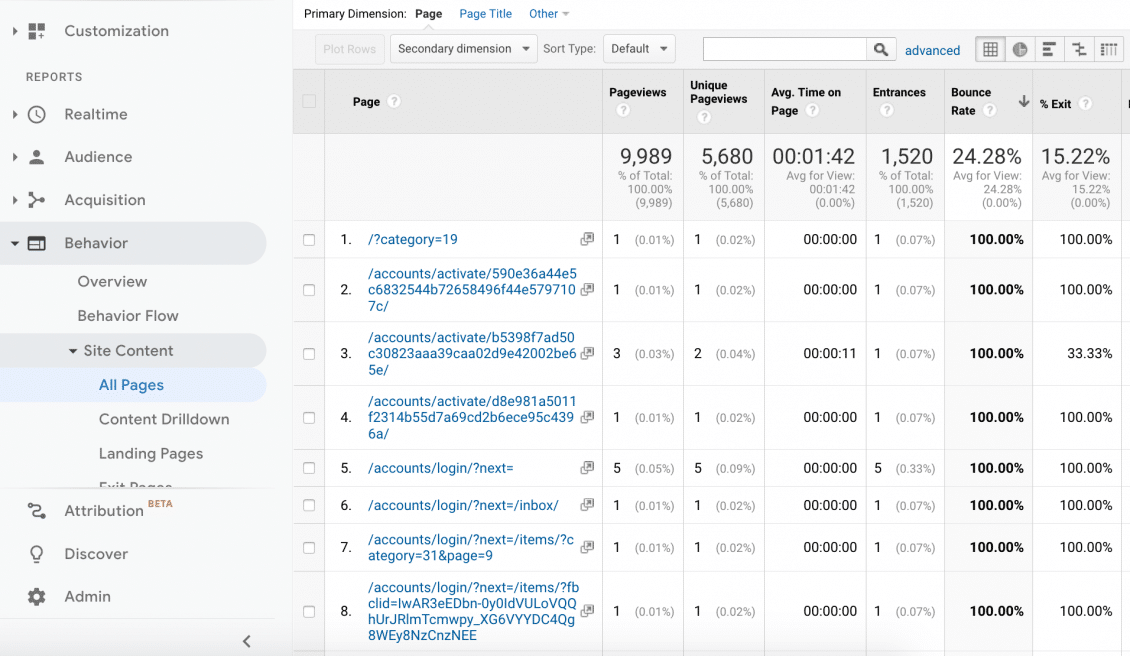
To identify pages with highest bounce rate inside Google Analytics, navigate:
- Behavior -> Site Content -> All Pages
- Click “Bounce rate” header to sort your site landing page:
2. Finteza’s Sales Funnel
Finteza is an independent web analytics with a major focus on engagement and conversion tracking and optimization.
Finteza allows to track all kinds of conversions that fall under two major types:
- Target page: A conversion is recorded when a user visits an tracked page
- Event: A conversion is recorded when a user takes a tracked action, for example, watched a video, registered, etc.
Once you set up your conversion tracking, Finteza will let you build your sales funnels to identify pages that leak conversions and lose visitors.
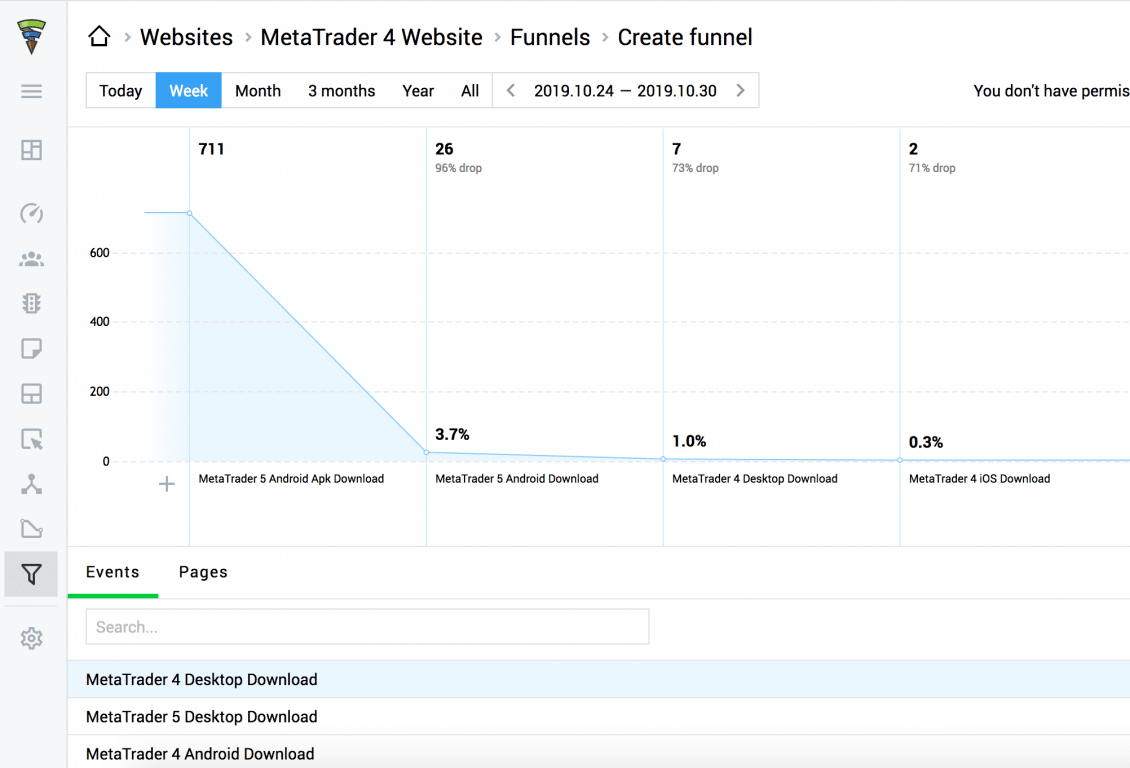
Here are more tips on setting up and analyzing your sales funnel.
3. Heatmapping Tools
Finally, another great way to understand how people interact with your web pages is to set up heatmapping campaigns.
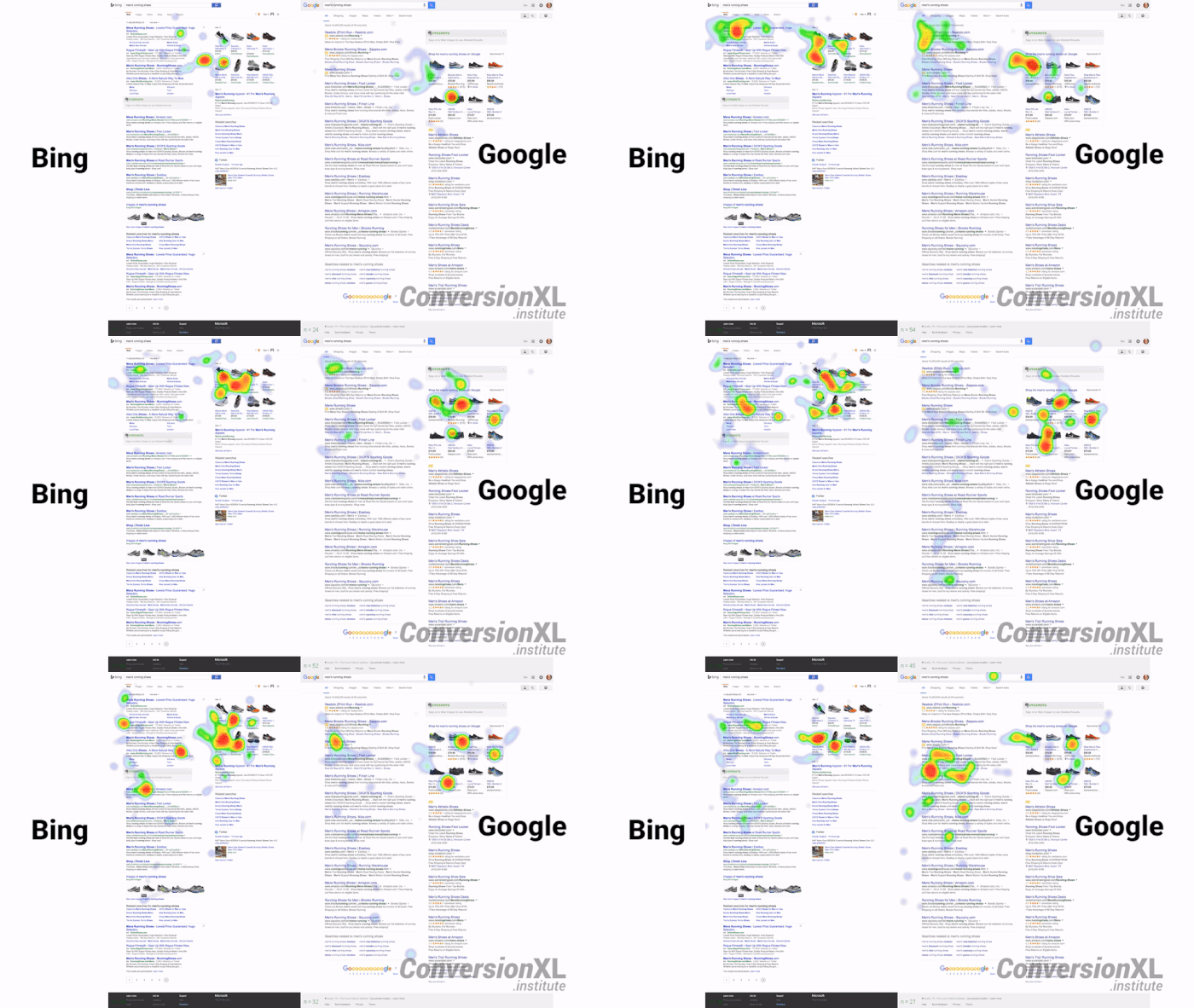
Heatmapping tools monitor your user behavior for a certain period of time and visualize it based on:
- Where they tend to click more
- Where they are using the mouse
- How far into the page they scroll
The more heavily used parts of your page are in red. For example, here’s an example of how users are interacting with Google and Bing search result pages courtesy of Conversionxl:
Here are lots of heatmapping plugins and tools to check out.
How We Improve Content Engagement for Clients
Content engagement optimization is never a one-and-done project. At Relevance, we treat it as an ongoing discipline — we are constantly testing layouts, CTAs, content formats, and internal linking structures across our clients’ sites. There’s no end to tools and tactics you can play with until you find more.
Here are the tactics that consistently move the needle for our clients:
1. Match Content to the Searcher’s Intent
Searcher’s intent is what people intend to do when searching Google or Bing. For example, users may search Google to find answers, to compare products or to select a solution to buy.
Matching your content to the searcher’s intent is the fundamental way to improve your on-page engagement: Give people what they need and match your CTA to entice them to perform an action.
To better optimize your content to the searcher’s intent use Text Optimizer, a semantic analysis tool that helps include underlying concepts and entities in your content:
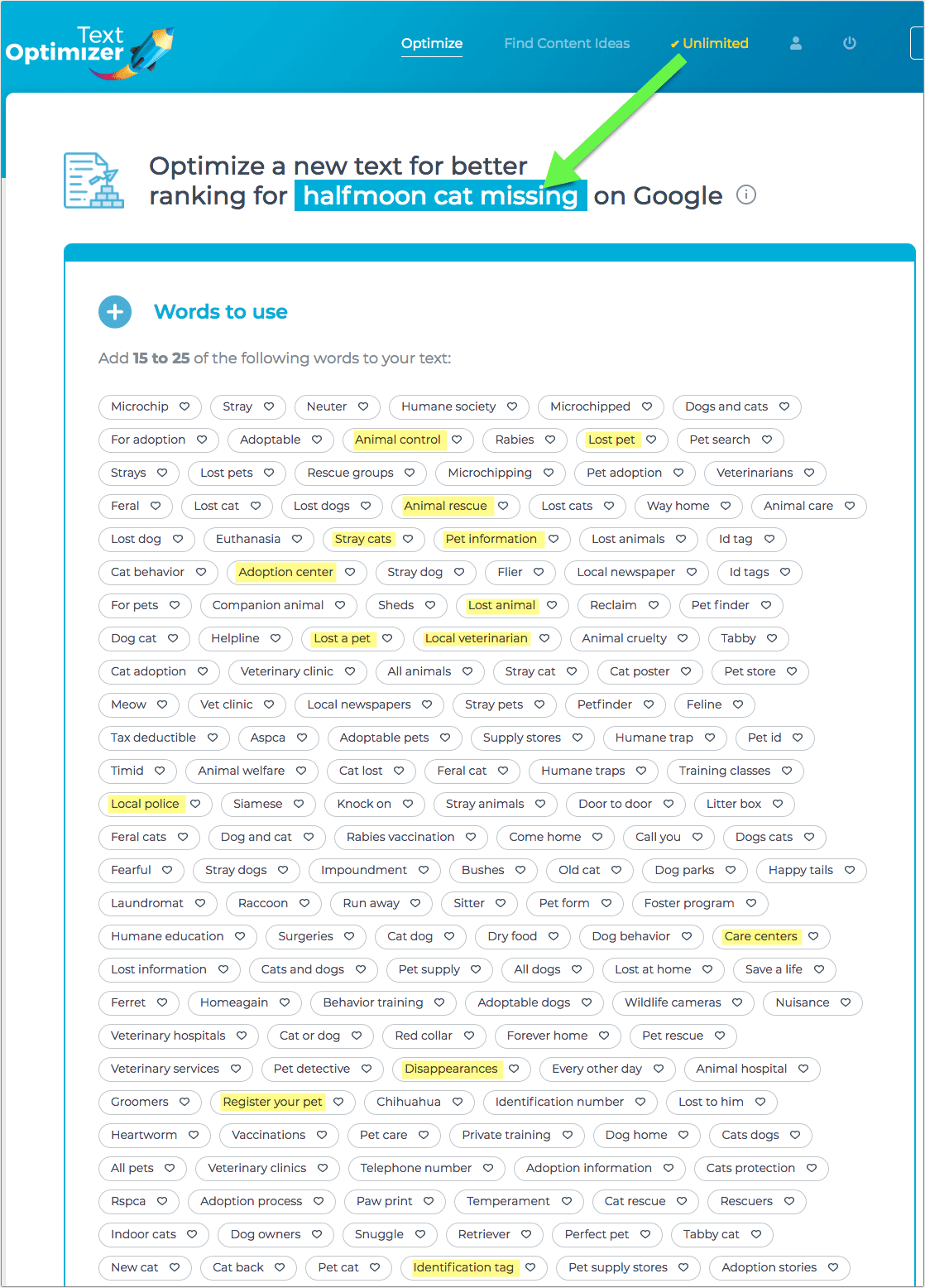
To better understand how the tool works, feel free to play with it here.
2. Use a Smart Content Recommendation Engine
Suggesting your readers further content that may interest them is a great way to drive them deeper into the site.
Alter is a content recommendation engine that uses artificial intelligence to understand your users better and suggest content based on their past behavior.
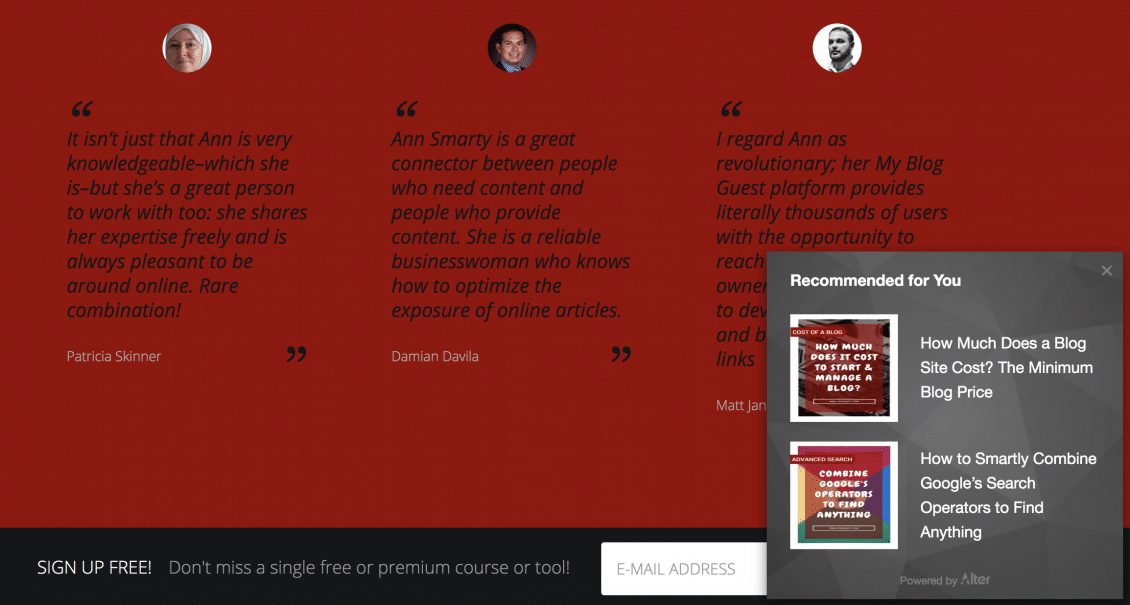
You can prioritize your site content for it to be suggested to more users. You can also monitor your engagement inside Alter dashboard.
3. Match Content to Seasonal Trends
Seasonality is one of the best ways to get more people engage with your content. Timing your content to big and small holidays catches your readers at the peak of their interest. There’s also urgency playing a role here, i.e. there’s a holiday coming up, so your readers are more likely to act.
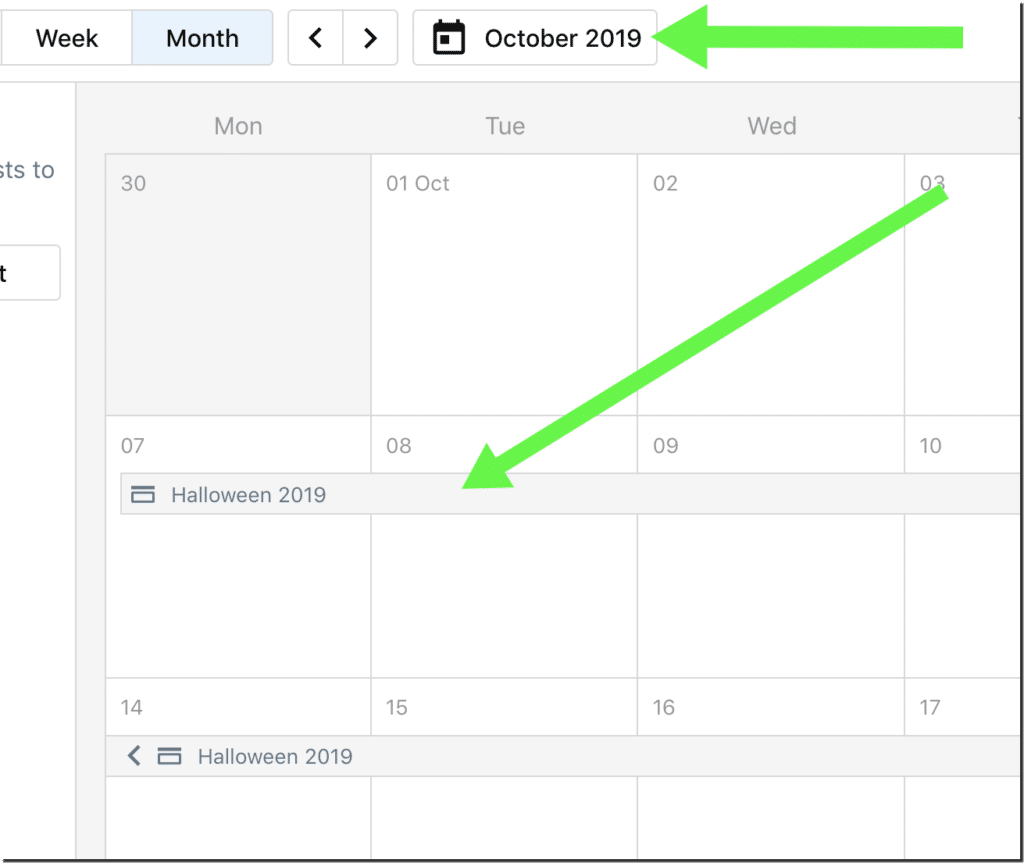
ContentCal helps you to better time your content marketing efforts as well as keep your whole team informed:
- Schedule upcoming campaigns using your calendar. Your team will be alerted of upcoming campaigns by seeing the campaign ribbon in the calendar view
- Store documents, links, ideas, etc. in campaign briefs
The Bottom Line on Content Engagement
There is much more to content engagement than the tactics above. For example, don’t forget about essential fundamentals that are likely to effect your site usability:
- Your page load time: Here’s how to monitor and improve your site performance
- Broken links and forms: Here’s a huge guide on spring-cleaning your blog to get rid of broken pages, images and shortcuts
- Irrelevant content: Here’s a recent tutorial on keeping your content relevant from Relevance contributor
Strong copywriting is a foundation, but engagement is a system — measurement, optimization, testing, and iteration working together. At Relevance, we build these systems for clients every day. If your content is attracting traffic but not driving action, book a call with our team and we will identify exactly where the drop-off is happening and how to fix it.
