

Social media is a big world that marketers can tap into to increase their outreach. Today, many social media marketers take human psychology into consideration when they promote a brand on social media. In technical language, we call that neuromarketing.
It is very likely that you must have come across this new marketing term known as neuromarketing several times while reading articles and blogs on modern marketing techniques. There is a constant effort among today’s marketers to find sure-fire ways of making an advertisement and running it successfully. Neuromarketing is one more effort in that direction.
A comprehensive study of neuromarketing must include how it is used by organizations to promote their marketing efforts and its real impact in the modern marketing arena. You might be surprised to note that neuromarketing is not exactly a current day marketing strategy. The term was first introduced way back in 2002 when researchers began analyzing neural activity and examined brain activity when consumers viewed advertisements or examined products.
The very idea of getting an opportunity to take a look inside people’s brain to understand what makes them take the buying decision was very exciting and interesting. It was a revolutionary idea as reading the mind of consumers was and still is a highly desired aspect for marketers and for researchers.
Neuromarketing is a process of studying the consumer behavior by application of various tools. It is a technique that probes deep into the non-conscious actions performed by a consumer and how these reactions influence the buying behavior.
One of the reasons for the growing interest in neuromarketing among modern marketers is because through this process they hope to find clear ways of influencing buying behavior and decisions. They are hopeful that with some authentic research on the subject, they can somehow control the subconscious minds and make them buy the products and services they want to sell.
How neuromarketing works
Neuromarketing is an extremely broad and complex subject and that’s why it does not work in a uni-directional manner. It is all about understanding the working of the mind of a consumer and performing an action to bring about a positive outcome.
Marketers know that the minds of consumers are difficult to decipher. It works differently in different conditions. There is a specific science involved in what drives their buying moves. Neuromarketers is aiming to use this for their benefits.
Neuromarketing decoded
Neuromarketing is the study of customer behavior and how it affects the buying pattern of a target audience. This study of customer behavior has played a significant role in social media marketing and its results are pivotal in setting an effective marketing strategy that can convert more leads into clients.
The idea of neuromarketing was coined by Gerald Zaltman in the year 1990. He based his study on the principles of neuroscience and after more than two and a half decades, the principles of neuroscience still remain the same. Today, neuroscience is a full-fledged discipline that focuses on human behavior to learn about different human traits.
The medium of marketing however, has changed over the course of time. While traditional ad platforms (TV and radio) are still in the scene, they are no longer the primary choice of marketers due to the evolution of the digital media platform and social media is a big part of this platform.
Social media marketing is one of the pillars of digital marketing. Using the podium of social media, brands can penetrate into a big market and attract more leads to their brand.
This article is going to share some of the ways brands are using the principles of neuromarketing to promote their brand on social media. Have a look:
1. Moosejaw (Humanize Your Brand)
People like to engage in a brand that has a unique voice. Your leads see your brand as a personality that has certain traits and characteristics. A brand that has a vague voice fails to connect with target audiences and ultimately loses the appeal to attract leads.
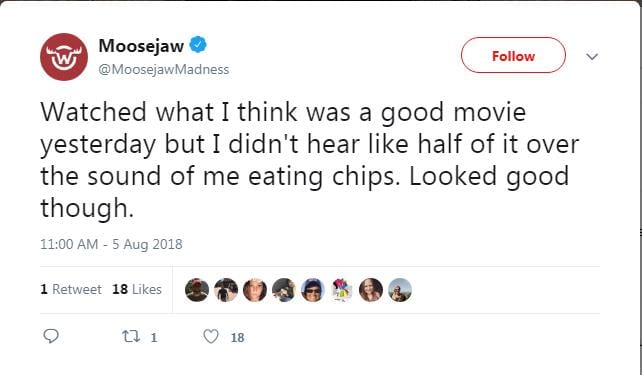
IMAGE COURTESY: WWW.TWITTER.COM
Moosejaw is an outdoor recreation apparel company. The brand has a sense of humor that shines through its profile on Twitter. It makes use of light humor in its post to engage with leads and it is funny. The brand owes a part of its success to its personality that clearly comes across on social media.
2. Airbnb (Press the Emotion Buttons)
People are motivated more by the emotional value of a brand than any other factor. According to a study by Harvard Business Review (HBR), the emotional connection is a more influential factor in attracting leads than customer satisfaction.
The same philosophy applies when it comes to social media marketing. People get influenced more by an emotional trigger than any other factor.
Airbnb is a hospitality business. When the brand entered the New York market, it suffered a solid resistance from the hotel business. To put the word out to the general public, it ran an ad campaign with the slogan: “New Yorkers Agree: Airbnb is great for New York City”. To make the impact even stronger, the brand created a video of Carol Williams who was one of its hosts.
In this YouTube video by Airbnb, the brand shares the story of Carol Williams and how Airbnb helps her survive the financial crunch after the demise of her husband. Airbnb named the video “Meet Carol”. The video gained more than 300K views on YouTube and helped promote the message of the brand.
3. Nature Made (Give a Social Proof)
People are reluctant to try new things unless they have a social proof. Psychology defines it as “herd behavior”. The stock exchange market trend is a good example of this type of behavior.
It is commonplace to see investors putting their money in the market and taking it out. The decision of the investors is based on the current trend of the market. If the market goes up, the investors will likely put in more money. If it goes down, they will certainly take it out.
This is a perfect example of herd behavior and one psychological trait you can practice in your social media marketing.
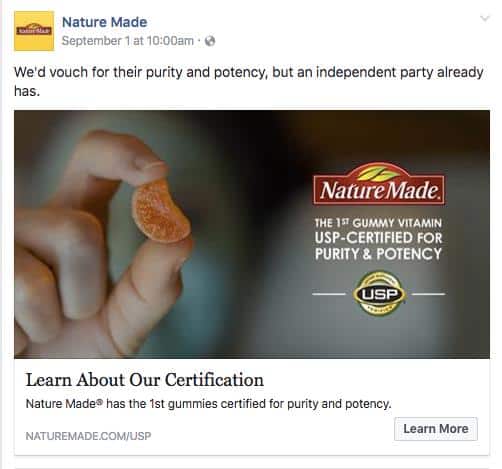
Nature Made is a vitamin and supplement brand. In this Facebook post, the brand features the USP (United States Pharmacopeial) certificate that endorses the purity of ingredients in its products. The post struck a chord with the audience and contributed to its sales.
4. Charmin (Add Humor)
Humor is one psychological element in marketing that always sells. Everyone wants to associate with a brand that has a humorous personality. The trend is particularly popular among Millenials and Generation Z. According to Chegg, 80% of college kids can easily recall an ad that has the element of humor.
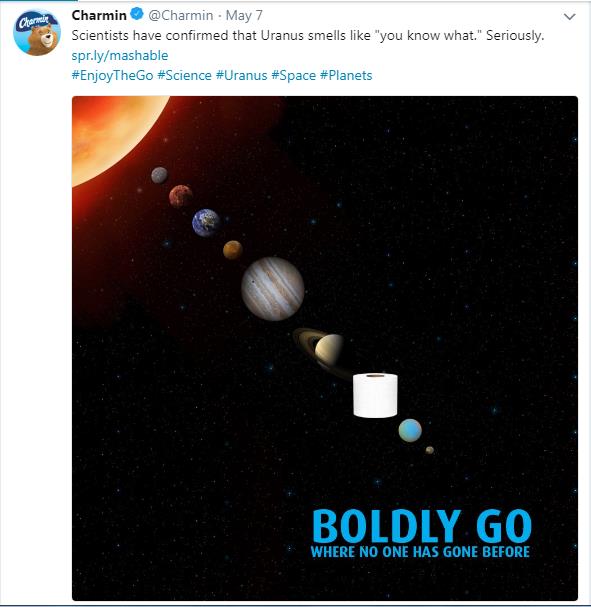
Now, this is really funny. This ad by Charmin shows that the brand has a sense of humor. The brand uses puns and repartee in its Twitter posts and it really makes the audience crack up. The impressive number of followers the brand has owes to its humorous side.
5. Starbucks (Create a Sense of Reciprocity)
Reciprocity is the act of giving back to someone who has done you a favor. Brands have been using this psychological trigger to promote their products. Often, the brands use this technique to build email lists of potential leads.
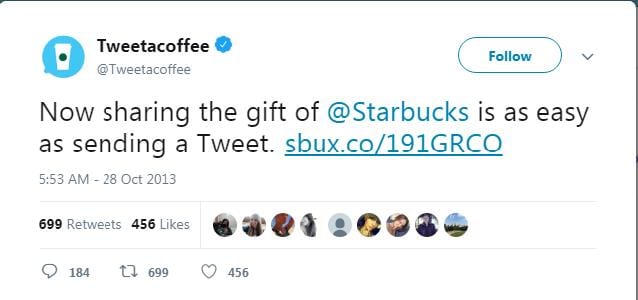
Starbucks was quick to notice this psychological trait of humans and started a campaign to attract more leads. It encouraged people to share the hashtag “#Tweetacoffee” to one of their friends. In return, the company offered a free cup of coffee to the friend. The campaign resonated with its audience and helped the company generate $180,000 in sales.
[insert page=’7-conventional-pieces-of-social-media-advice-that-dont-work’ display=’single-related-article.php’]
6. H & M (Join Hands with an Influencer)
Influencer marketing is the hottest trend in social media. According to Influencer Marketing Hub, businesses earn $6.50 dollars for every $1 dollar that is spent on influencer marketing, so why is influencer marketing so successful?
The answer is simple. Humans have a tendency to trust industry experts. We have an innate trait to trust the advice of an authority in an industry. The common observation of this behavior can be seen in our daily life when we seek the advice from our seniors to validate our decisions.
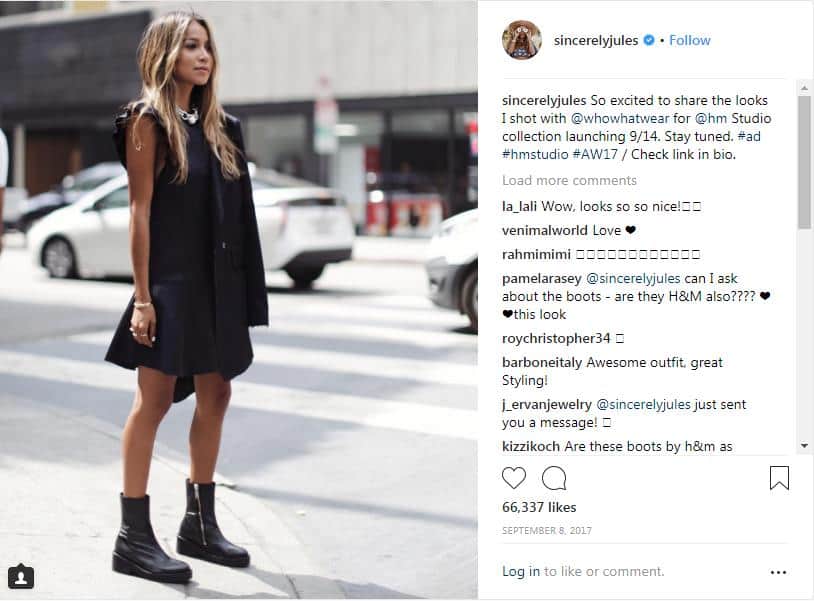
H & M is an upmarket apparel company that joined fashion bloggers to promote its brand. The company partnered with blogger Julie Sariñana and model Ela Velden to showcase their outfits on Instagram. The campaign was indeed tactical in its approach, i.e. to spread the word of mouth publicity and it achieved its goal due to the presence of the industry experts.
Some so-called neuromarketing experts have been peddling the idea that neuromarketing can be effectively used to predict the outcome of a campaign in a foolproof manner and in a more reliable manner than traditional research and marketing ways. That is slightly off the mark. Neuromarketing can complement conventional marketing methods to obtain a more rounded vision of the consumer’s reaction.
Neuromarketing is a process to promote a brand that is based on the psychological traits of a target audience. As you can see in the above examples, several brands were able to promote their products by using many different facets of neuromarketing. I hope you can effectively market your brand on social media using this study of human psychology.
Frequently Asked Questions
Neuromarketing on social media focuses on how people think and feel in the moments that shape attention, trust, and buying decisions.
What is neuromarketing?
Neuromarketing is the study of consumer behavior using principles of neuroscience to understand how people react—often unconsciously—when they view advertisements or examine products. It aims to probe non-conscious reactions and how those reactions influence buying behavior. In social media marketing, brands apply these insights to shape messaging, creative, and campaigns in ways that better match how audiences naturally pay attention, feel, and decide.
What company uses psychological marketing?
Several brands illustrate psychological marketing through neuromarketing principles on social media, including Moosejaw, Airbnb, Nature Made, Charmin, Starbucks, and H&M. Each one leans on a different human trigger—like humor, emotion, social proof, reciprocity, a distinct brand personality, or trust in authority—so their content resonates more strongly with the way audiences naturally engage and make decisions.
What is a real world example of a product or brand that uses a mental process to assist you in learning about the brand?
Airbnb is a clear example of using emotional triggers to help people understand and remember the brand. When it entered the New York market and faced resistance, it ran an ad campaign with the slogan “New Yorkers Agree: Airbnb is great for New York City,” and paired it with a video story featuring a host, Carol Williams. The video (“Meet Carol”) focused on emotion and real-life stakes to make the message stick.
What is an example of psychology in advertising?
Nature Made demonstrates social proof (also described as “herd behavior”) by showcasing credibility markers that reassure hesitant buyers. In one Facebook post, the brand highlights a USP (United States Pharmacopeial) certificate to endorse the purity of ingredients. The idea is simple: people are often reluctant to try something new without validation, so visible proof can reduce doubt and increase confidence.
What brand uses social media?
The examples include multiple brands actively using social platforms in distinct ways: Moosejaw uses humor and a strong brand voice on Twitter; Airbnb shared a host story through a YouTube video; Nature Made used a Facebook post to provide social proof; Charmin uses puns and repartee on Twitter; Starbucks ran a hashtag campaign (“#Tweetacoffee”) on Twitter; and H&M partnered with influencers to showcase outfits on Instagram.
What other brands excel at social media psychology?
Moosejaw excels by humanizing its brand voice with humor. Charmin also leans heavily into humor and playful writing to stay memorable. Nature Made performs well with social proof by highlighting an endorsement that builds trust. Starbucks uses reciprocity by rewarding people for sharing with friends. H&M taps authority and trust by collaborating with fashion bloggers and models, helping its message travel through recognized experts and familiar faces.
What psychological principles could brands in the food industry use?
Food brands can apply the same neuromarketing principles highlighted here on social media, such as: social proof (showing trusted endorsements or credibility cues), reciprocity (offering a reward for sharing with a friend), humor (creating memorable, light content), emotional triggers (storytelling that connects to real motivations), a humanized brand voice (clear personality and tone), and authority via influencers (partnering with recognizable experts or creators audiences already trust).
How does neuromarketing work in social media marketing?
Neuromarketing doesn’t work in just one direction; it centers on understanding how the consumer mind works in different conditions and then choosing actions that encourage a positive outcome. In social media, that often means using psychological traits—like emotion, humor, social proof, reciprocity, or trust in authority—to shape posts and campaigns. It can complement conventional marketing methods by adding a more rounded view of audience reactions.
When did neuromarketing start, and who coined the idea?
The term “neuromarketing” was introduced in 2002 when researchers began analyzing neural activity as consumers viewed advertisements or examined products. The broader idea of applying neuroscience principles to marketing is also linked here to Gerald Zaltman, who coined the idea in 1990. While marketing channels have evolved—especially with social media becoming a major pillar of digital marketing—the neuroscience principles themselves are described as remaining the same.
